Rough Riders Hotel

Medora, ND   /   0 Reviews

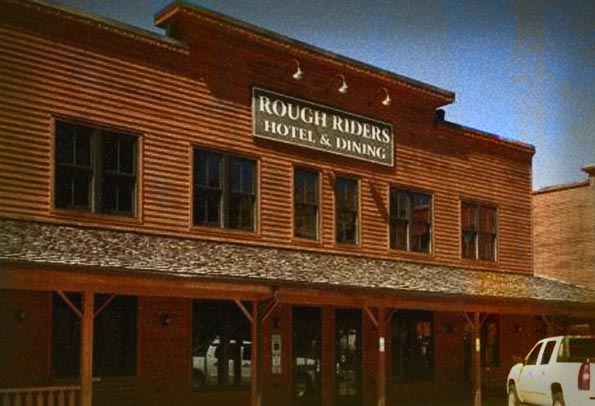
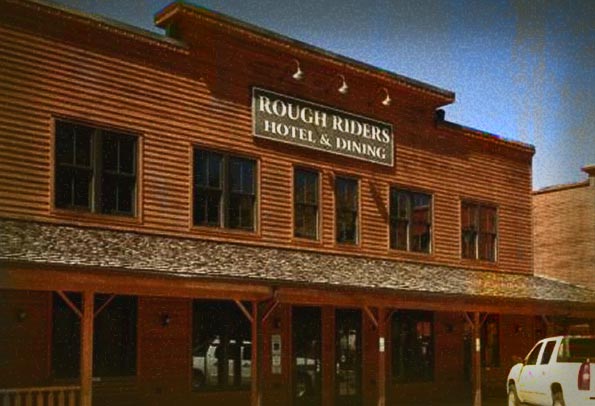
The original name of the Rough Riders Hotel was The Metropolitan. People expected the town to grow into a large city, which never happened. The hotel was renamed in honor of Theodore Roosevelt and the Rough Riders in the Spanish-American War. Through the years the hotel has been owned by different people and undergone renovations, which usually awakens the spirits.

It’s believed that a little boy haunts one of the guest rooms at the top of the hotel. The laughter of a child is often heard in the room when no one is there. Guests have reported toilets flushing by themselves. It seems that some of the spirits enjoy playing pranks on visitors.
Posted in Haunted Hotels and Real Haunts

Add a Review

Rate this by clicking a star below:

Related Listings

Stuckey’s Bridge

Chunky River Watershed 47 Dam, Union, MS 39365

Permanently closed for traffic

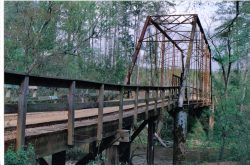
 Stuckey’s Bridge is in Lauderdale County, MS. It’s been listed as being built as early as 1847 and as late as 1901. So that would mean at the very least, it’s 108 years old! There are many stories that this bridge is haunted. As the story goes, Old Man Stuckey had a hotel near the bridge site in the mid 1800s. The old man would murder his hotel guests, steal their valuables, and bury the bodies along the riverbank. He was eventually found out, caught, and was hung from the bridge. Read more…

Battle House Haunted Hotel

26 N Royal St, Mobile, AL 36602, USA

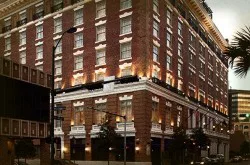
Ghostly voices, shadowy apparitions, and bright flashes are just a few of the features of Battle House Renaissance Hotel in Mobile, Alabama. Here are two of its most popular stories. Mr. Henry Butler A former Mardi Gras king, the story goes that Mr. Butler was caught “dillydallying” with Mrs. Raymond Dyson, his Mardi Gras queen. When her husband and his brother caught wind of the affair, they lured Mr. Butler to room 552 of the Battle House Renaissance Hotel and beat him. Read more…

Danvers State Hospital

1101 Kirkbride Dr, Danvers, MA 01923, USA

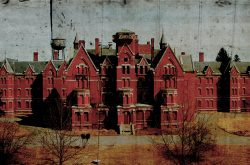
In the late nineteenth and early twentieth century, mental health was broadly defined. Health conditions and mental capacities simply had yet to be discovered by medical science and as a result, thousands of people were not handled with enough care and concern. While highly debatable, their life-care was turned over by their families to the aid afforded by the state and they were placed into asylums. One such place that is registered to the U.S. National Register of Historic Places is the Danvers State Hospital. Read more…